

Dec 2, 2024
Garage Fire Safety: Beyond Just Parking Your Car
Your garage often serves as more than just a parking space for your vehicle. It can be a workshop, storage area, and even a makeshift gym. However, the accumulation of flammable materials, hazardous chemicals, and clutter can turn your garage into a fire hazard. Understanding and addressing these risks is crucial for protecting your home and family.
Common Garage Fire Hazards
- Flammable Liquids: Gasoline, paint thinners, propane tanks, and other flammable liquids should be stored in approved safety containers, away from heat sources and ignition points.
- Pesticides and Chemicals: Pesticides, fertilizers, and other chemicals should be stored in their original containers, tightly sealed, and out of reach of children and pets.
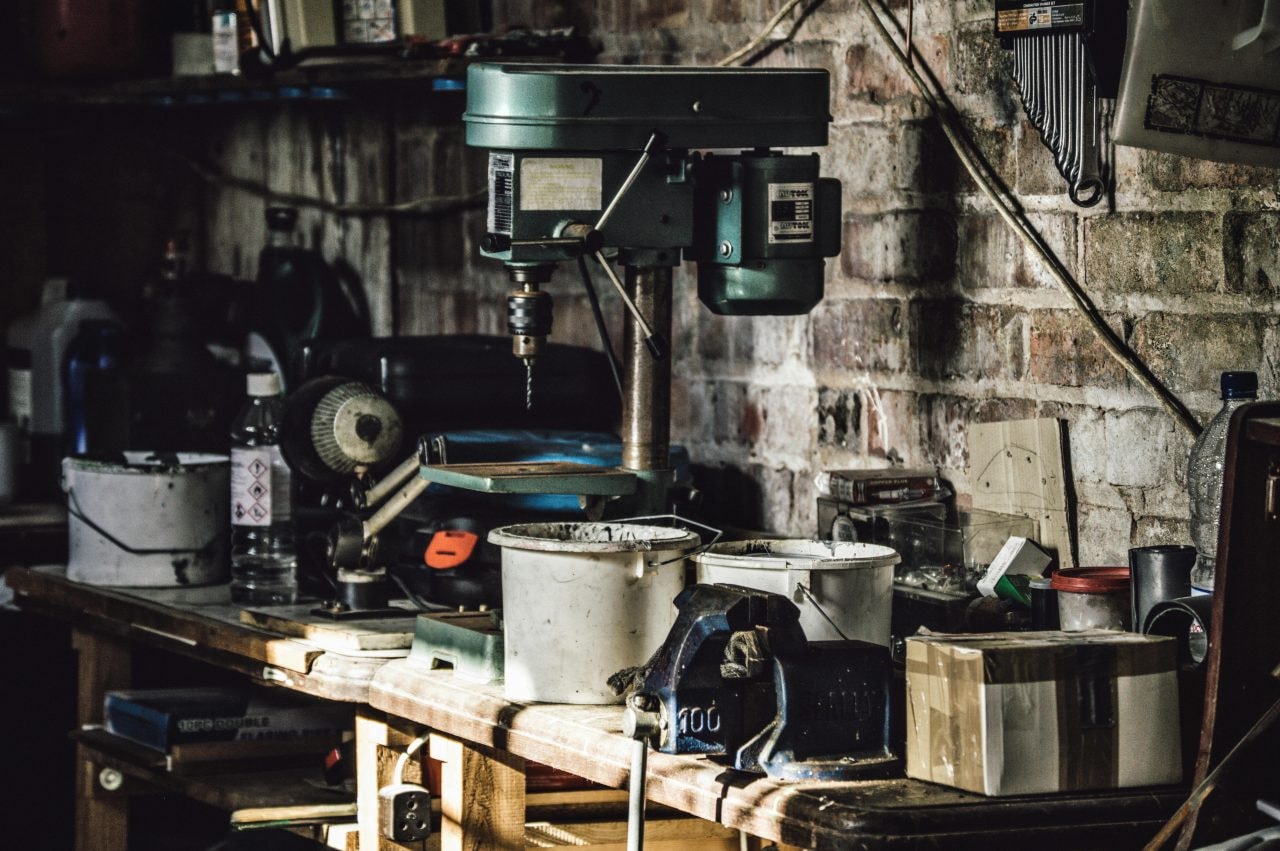
- Debris and Clutter: Piles of newspapers, cardboard boxes, and other combustible materials can fuel a fire and hinder escape routes. Maintaining a clean and organized garage significantly reduces fire risks.
- Electrical Wiring and Appliances: Faulty wiring, overloaded circuits, and damaged appliances can spark a fire. Regularly inspect cords and appliances, and avoid using extension cords for long-term solutions.
- Vehicles: Car fluids, fuel leaks, and even hot exhaust pipes can ignite a fire. Address any vehicle issues promptly and avoid parking hot vehicles in enclosed spaces.
Essential Garage Fire Safety Measures
- Install Smoke Alarms: Smoke alarms should be installed in your garage, interconnected with those in your home. Test them monthly and replace batteries as needed.
- Fire Extinguishers: Keep a fire extinguisher rated for Class A, B, and C fires in an easily accessible location in your garage. Learn how to operate it properly.
- Proper Storage: Store flammable liquids in approved safety cans, away from heat sources and ignition points. Keep chemicals in their original containers and dispose of them safely.
- Cleanliness: Regularly declutter your garage to eliminate fire hazards and improve accessibility in case of emergency. A clean garage is also less attractive to rodents and snakes.
- Ventilation: Ensure adequate ventilation to prevent the buildup of fumes and flammable vapors.
Additional Considerations
- Heating: If your garage has a heating system, make sure it is properly installed and maintained. Keep flammable materials away from heat sources.
- Work Areas: When working with flammable materials or power tools, take precautions to prevent sparks and fires. Keep a fire extinguisher nearby.
- Emergency Plan: Create a fire escape plan for your garage, ensuring everyone in your household knows how to exit safely in an emergency.
Remember, a fire can start and spread quickly in a garage. Taking proactive steps to address fire hazards and maintain a clean, organized space will significantly reduce the risk of a fire and protect your home and loved ones.
Key Safety Tips
- Store gasoline and flammable liquids in approved safety containers, away from heat sources and ignition points.
- Keep a Class A, B, and C fire extinguisher mounted and accessible in the garage.
- Install smoke alarms in the garage, interconnected with those in your home.
- Regularly declutter — piles of cardboard, newspapers, and debris fuel fires and block escape routes.
- Inspect cords and appliances regularly; avoid using extension cords as permanent solutions.
- Ensure adequate ventilation to prevent buildup of fumes and flammable vapors.
- Create a fire escape plan so everyone in your household knows how to exit safely.